


Home charging stations
Save 4%
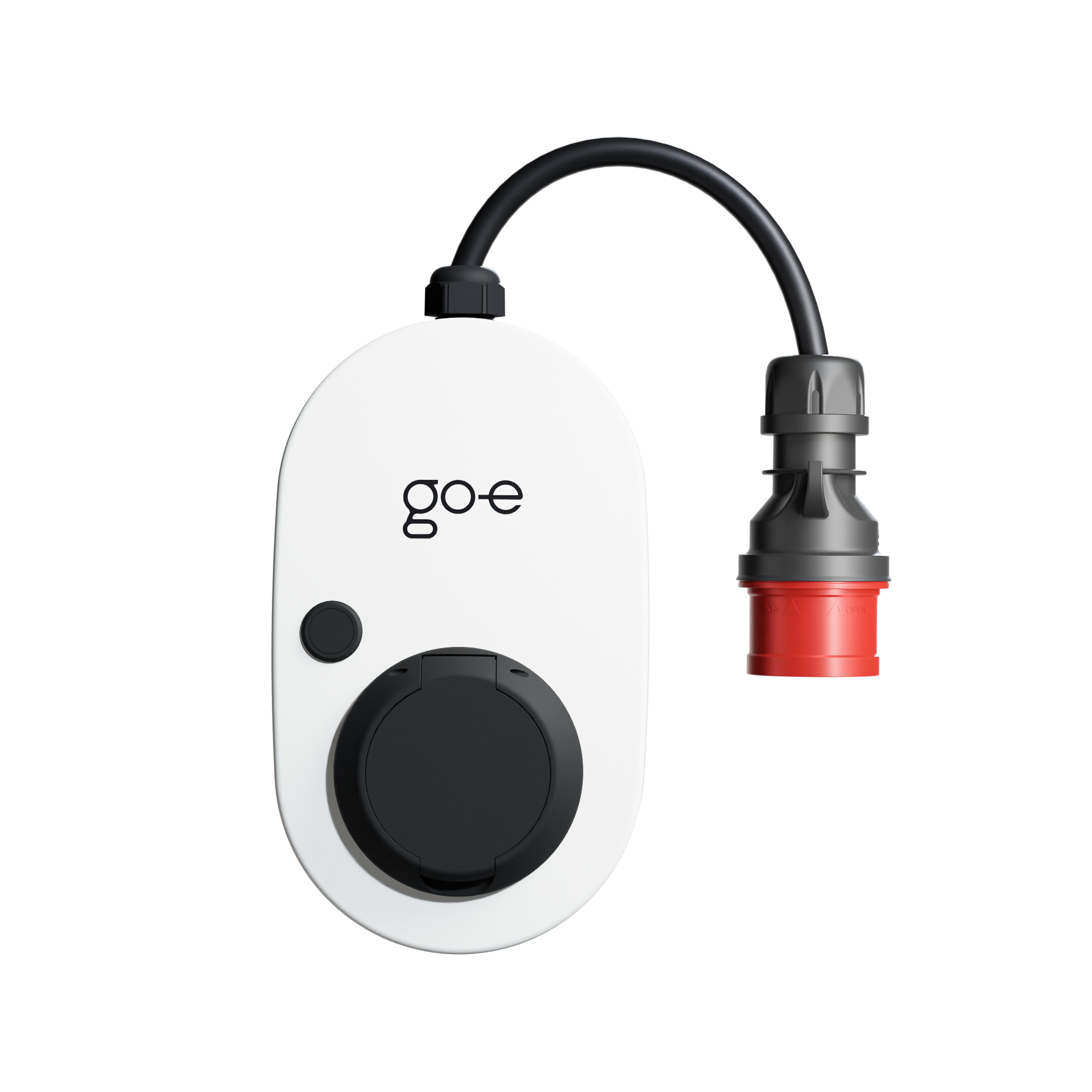

11 kW / 22 kW Mobile EV Charging Station - go-e Charger Gemini flex
Sale priceFrom 2.930,00 złRegular price
3.050,00 zł
Najniższa cena z 30 dni przed obniżką: 3.050,00 zł
Save 6%
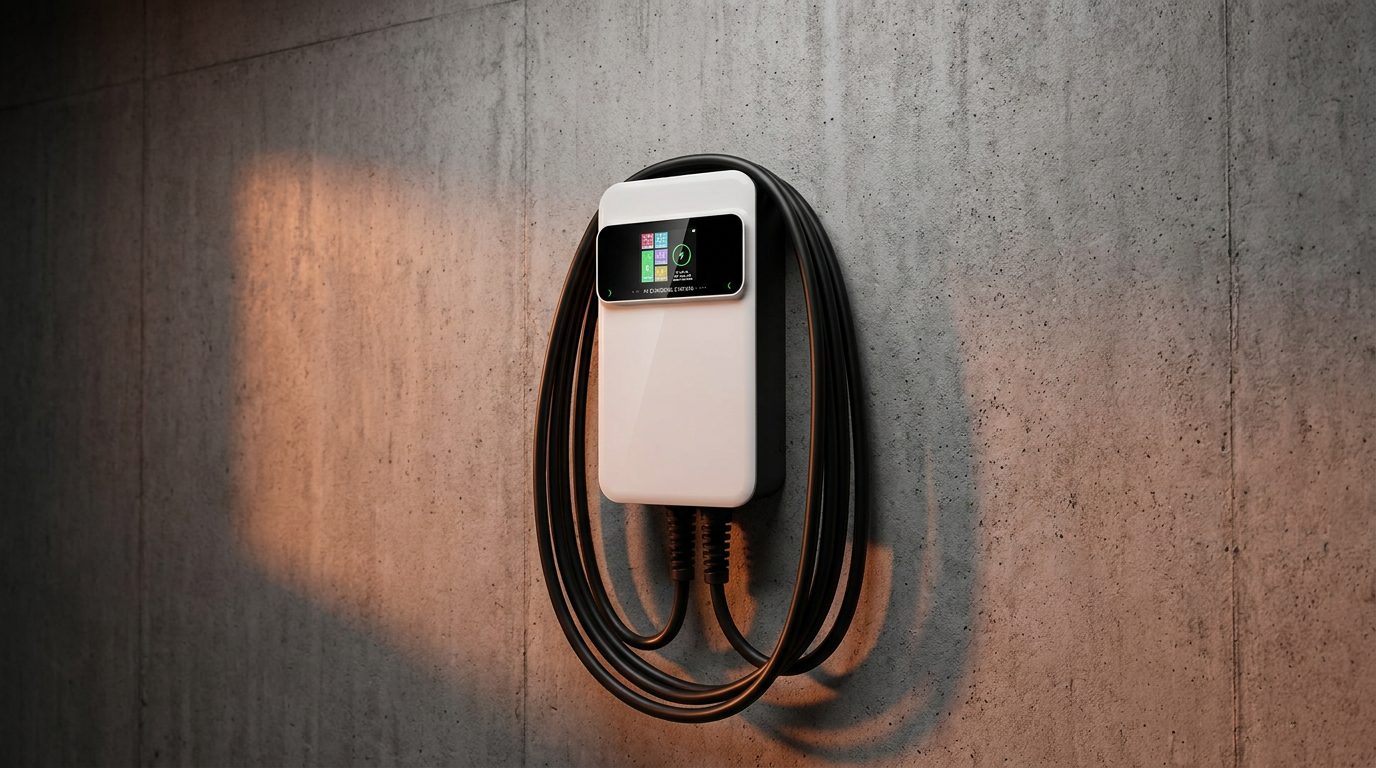
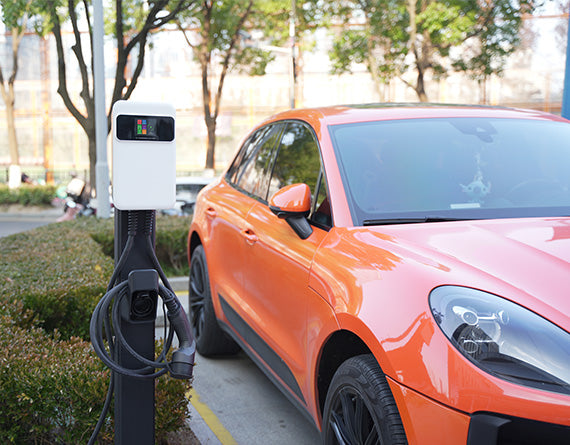
BESEN SQ20-BC-22KW-APP – EV charger 22 kW (32 A 3 phase) with Type 2 cable 6 m
Sale price1.656,49 złRegular price
1.756,49 zł
Najniższa cena z 30 dni przed obniżką: 1.756,49 zł
Save 4%
22 kW portable EV charging station - go-e Charger Gemini flex 2.0
Sale price2.930,00 złRegular price
3.050,00 zł
Najniższa cena z 30 dni przed obniżką: 3.050,00 zł
Save 3%


go-e Charger Gemini 2.0 11 kW – Fixed Wallbox
Sale price3.469,59 złRegular price
3.589,32 zł
Najniższa cena z 30 dni przed obniżką: 3.589,32 zł
Home charging — nothing but benefits
Your own charger means convenience, savings and full control over charging — no queues, no public per-kWh prices.
01
Overnight charging
An 11 kW charger fully charges your car in ~6 hours. Leave in the morning with a full battery, effortlessly — plug in the cable in the evening, unplug in the morning.
~6h to full (60 kWh)
02
ARTEVA App
Schedule charging sessions, monitor energy consumption and control the charger from your phone at any time — from home or from work.
Real-time control
03
Charge with solar power
Connect the charger to solar panels and a Sigenergy battery. Charge your car with your own solar electricity around the clock — cost: 0 per session.
0 / session
04
Installation & service
Completed in 5–7 working days. 24/7 service with remote diagnostics and an SLA guarantee on every installation. Certified Wallbox installers.
5–7 working days
Home vs public charging
With 12 charging sessions per month and a 60 kWh battery — annual charging costs across four scenarios.
Wallbox — home
2,097 PLN/yr
per year · rate 0.52 PLN/kWh
Overnight charging on the G12 tariff. The cheapest option — 4–5× cheaper than public DC charging.
- Own equipment, zero session fees
- Schedule management via ARTEVA
- Charge with solar for free
Public AC
8,024 PLN/yr
per year · median 1.99 PLN/kWh
Typical price at public AC stations in Poland. About 4× more expensive than home charging.
- Dependent on station availability
- Variable prices and operator tariffs
- No schedule planning
Public DC
9,677 PLN/yr
per year · median 2.40 PLN/kWh
Fast DC charging — convenient on the road, but expensive as a daily energy source for your car.
- Ideal only for long trips
- Most expensive daily charging
- Regular DC degrades the battery
Savings vs DC
7,580 PLN/yr
per year · 632 PLN/month
This is how much you save annually by charging at home instead of at public DC stations. A wallbox pays for itself in less than 5 years.
- Wallbox payback < 5 years
- + savings with solar battery
- Growing gap as energy prices rise
Which charger power to choose?
Charging time depends on the vehicle's on-board charger — the station cannot exceed that limit.
7.4 kW · Single-phase
8–10 hrs
Nissan Leaf, Fiat 500e, Renault
The basic model — sufficient for overnight charging. Cheaper installation, lower connection requirements. Works on any single-phase supply.
- No three-phase supply required
- Lower installation cost
- Sufficient for overnight charging
11 kW · 3-phase · Recommended
5–6 hrs
Tesla, Kia EV6, Hyundai Ioniq, BMW
The best balance of cost and speed. Supports most EVs sold in Poland. Recommended by ARINEA for new installations.
- Compatible with 90% of EVs on the market
- Requires 3-phase 16A supply
- Integrates with solar and ARTEVA
22 kW · 3-phase
2–3 hrs
Tesla Model S, Renault Zoe
The fastest AC charging — but requires a vehicle with a 22 kW on-board charger. Worth planning a 22 kW installation even if your current car is 11 kW.
- Requires 22 kW on-board charger
- 3-phase 32A supply required
- Recommended for a future-proof installation